
How do air purifier systems work and why are they so important?
In a world where the quality of the air we breathe has become a primary concern, air purifier systems have emerged as an effective solution to improve our health and well-being.
In this article, we will explore exactly how these devices work, the different technologies available, and why they are essential for protecting your daily health.
What is an air purifier?
An air purifier is a device designed to remove contaminants from the air in a room or enclosed space. These contaminants can include dust, pollen, smoke, bacteria, viruses, and volatile organic compounds (VOCs). Air purifiers are especially beneficial for people with allergies, asthma, or other respiratory problems, and can be classified as:
-
Passive Systems: Devices that only act on particles when they physically pass through the purifier’s internal filter.
-
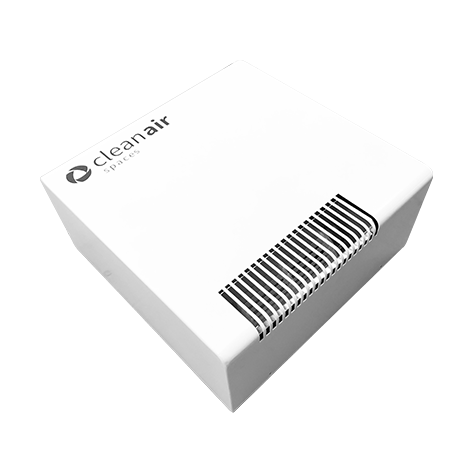
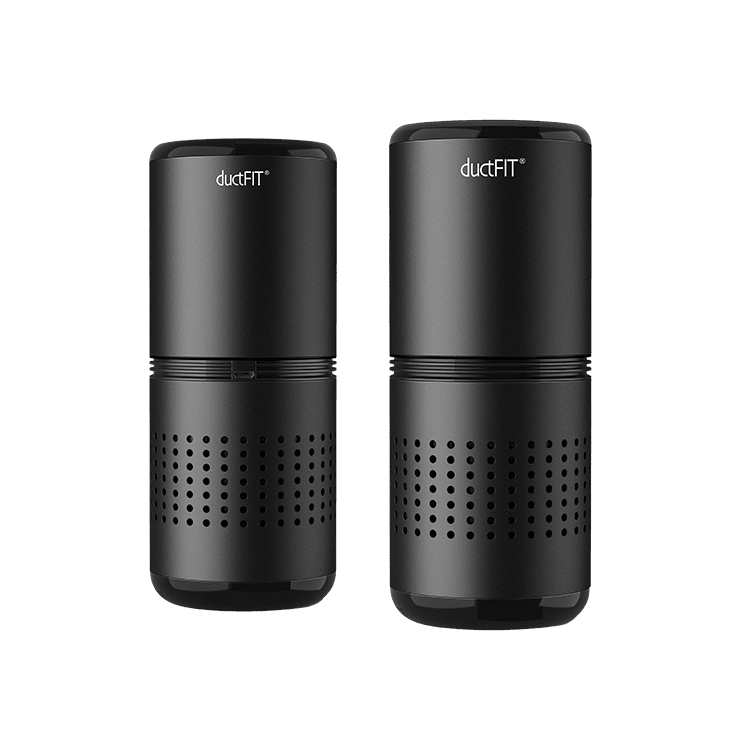
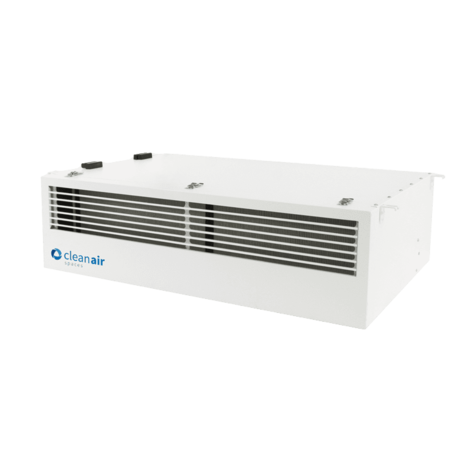
Active Systems: Advanced devices that act chemically, electrostatically, or photochemically directly in the air. They actively seek and combat pathogens present in the environment—and, in the case of the most effective systems like ductFIT®, they also neutralize threats on surfaces.
How do air purifiers work?
Understanding the internal mechanisms of an air purifier is key to choosing the right one. Here are the most common technologies used today:
-
HEPA Filter. Most air purifiers use a HEPA (High Efficiency Particulate Air) filter, which can trap 99.97% of particles as small as 0.3 microns. These filters are highly effective at removing dust, pollen, and other microscopic particles from the air. They are “passive” systems that only retain elements passing through them and require continuous periodic replacement to maintain their efficiency. The most efficient are HEPA 13 and 14 filters, capable of retaining aerosols with pathogens as small as viruses and bacteria. To maintain their high efficiency, these filters require ongoing replacement, as all larger particles present are also retained in the filter, causing it to saturate and lose its filtering effectiveness.
-
Activated Carbon Filters
Activated carbon filters are essential for removing odors and toxic gases. These filters contain carbon that adsorbs gaseous contaminants, eliminating unpleasant odors and VOCs (Volatile Organic Compounds) from the air. In this case, a better result will be achieved depending on the number of air changes per hour performed by our ventilation/air conditioning system. More air changes or higher air speed is expected to result in a lower presence of odors.
-
Ionizers
Some air purifiers use ionizers that release negative ions into the air. These electrically charge the particles present in the air; these ions adhere to contaminant particles, making them heavier and facilitating their fall to the ground, where they can be vacuumed up. It is important to note that negative ions tend to have beneficial health effects, while positive ions, especially in enclosed or polluted environments, can have adverse effects.
-
UV Light
Ultraviolet (UV) light is used in some purifiers to destroy microorganisms such as bacteria and viruses. Exposure to UV light alters the DNA of these pathogens, neutralizing them and preventing their spread. Its effectiveness depends on the time and power needed to inactivate the pathogen, and it cannot treat areas in shadow where bacteria proliferate, as UV light does not reach them.
-
Advanced Photocatalysis with CleanAir Spaces’ ductFIT® Technology
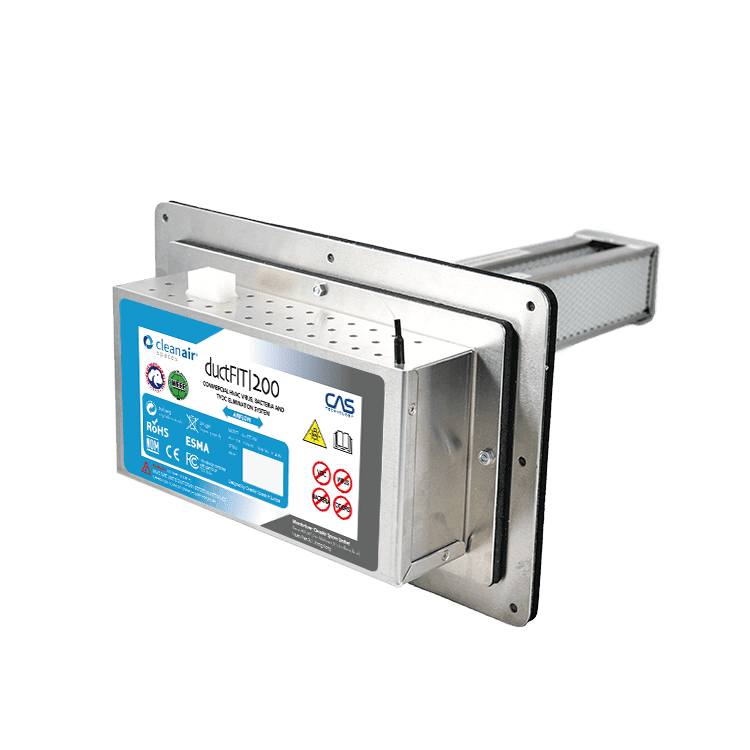
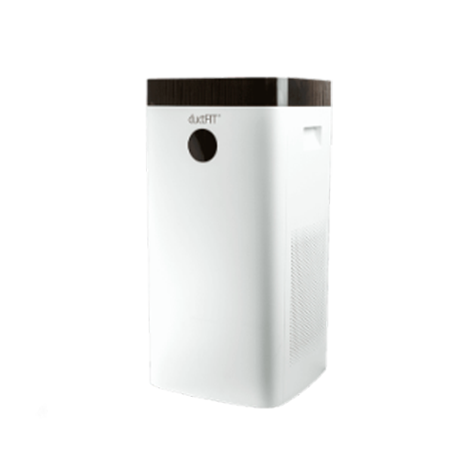
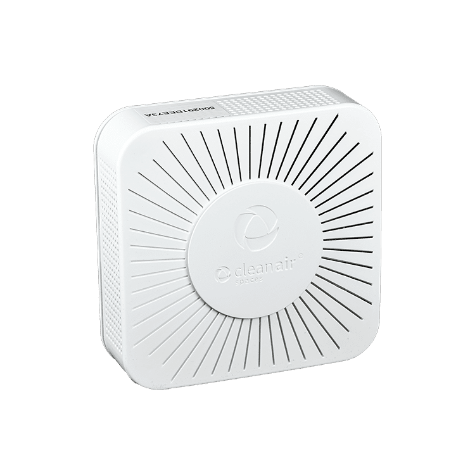
ductFIT® systems incorporate innovative photocatalysis technology that replicates the same phenomenon the sun performs in nature. CleanAir Spaces develops its own catalysts which, together with a precise frequency of ultraviolet light, convert part of the ambient humidity into Hydrogen Peroxide molecules (molecular-level hydrogen peroxide). These molecules are responsible for actively combating viruses, bacteria, fungi, molds, or harmful chemicals at their own scale, inactivating or safely breaking them down, ensuring clean and safe air. These molecules disperse through the air, reaching every corner, neutralizing pathogens and harmful chemicals (Formaldehydes, MEK, Heptane, Benzene, Toluene, etc.) both in the air and on surfaces. The efficacy of ductFIT® technology has been proven in the most prestigious laboratories, offering continuous and demonstrated protection against biological contaminants without generating toxic byproducts. Furthermore, CleanAir Spaces offers products and solutions that incorporate the best of each technology, with photocatalysis + HEPA 13 Filter + Activated Carbon, improving air quality and eliminating bad odors in an unprecedented way.
4 key benefits of using an air purifier
-
Improves Respiratory Health Air purifiers remove allergens and contaminants that can trigger asthma attacks and allergic reactions. Breathing cleaner air can reduce the frequency of these episodes and improve quality of life.
-
Reduction of Odors and Smoke Whether it’s tobacco smoke, cooking odors, or pet smells, air purifiers with activated carbon filters can eliminate these odors, leaving your home with a fresher, cleaner environment.
-
Elimination of Pathogens With the ability to destroy bacteria and viruses, air purifiers help maintain a healthier environment, especially during flu seasons or pandemics.
-
Protection Against Chemical Contaminants Air purifiers are effective against volatile organic compounds (VOCs) emitted by cleaning products, paints, and other construction materials, thus protecting residents from potential toxic effects.
Conclusion
In summary, air purifier systems are a smart, essential investment for improving indoor air quality, health, and well-being. The incorporation of advanced active technologies like ductFIT® photocatalysis not only ensures cleaner air but guarantees continuous protection against pathogens on surfaces and in the air.
When choosing a system, always ensure the manufacturer guarantees the safety and efficacy of their products through rigorous testing by prestigious independent laboratories, just as CleanAir Spaces does.
Frequently Asked Questions (FAQ)
What is the difference between active and passive air purifiers?
Passive purifiers (like HEPA filters) wait for the air to pass through a physical mesh to trap particles. Active purifiers (like ductFIT® photocatalysis) release purifying molecules into the room to seek out and destroy pathogens in the air and on surfaces.
Do air purifiers really remove viruses?
Yes, but the technology matters. While HEPA 13/14 filters can trap airborne viruses, active technologies like photocatalysis actually destroy the virus’s structure, neutralizing it completely.
How often should I change my HEPA filter?
It depends on usage and the environment, but traditional passive HEPA filters typically need to be replaced every 6 to 12 months to prevent clogging and loss of efficiency.
Find quality information about the industry and our products. Don’t miss the latest news and events from our writers: CleanAir’s professional and technical team.