

When we travel on roads and highways, we seldom think about the quality of the air we breathe inside our vehicles. However, the reality is that the air in the cabin is no different from the air circulating outside—the same air left behind by thousands of vehicles, trucks, and buses in a very short time. This is particularly concerning when we are in traffic jams, with polluting gases accumulating around us and entering directly into the car’s interior.
4 harmful pollutants hiding inside your car
Some of the harmful chemicals we unconsciously breathe in our vehicles include:
-
Volatile Organic Compounds (VOCs)
VOCs are one of the main pollutants present in this environment. These compounds react with nitrogen oxides (NOx) in the presence of sunlight to form ground-level ozone, a key component of smog. While ozone is beneficial in the upper layers of the atmosphere, at ground level it can cause respiratory problems, leading to coughing, a choking sensation, and reduced lung capacity. Furthermore, VOCs emitted by vehicles and car interior plastics—such as benzene, acetaldehyde, and 1,3-butadiene—are highly toxic
-
Nitrogen oxides (NOx)
NOx not only contribute to the formation of ozone and secondary particulate matter but are also dangerous as primary pollutants. These gases can irritate the lungs and weaken our defenses against respiratory infections like influenza and pneumonia.
-
Carbon monoxide (CO)
This is a colorless and odorless gas resulting from the combustion of fossil fuels like gasoline. CO prevents oxygen from reaching the brain, heart, and other vital organs, posing a serious health risk, especially in poorly ventilated environments.
-
Sulfur dioxide (SO2)
mainly emitted by engines burning diesel and coal, is another pollutant affecting air quality inside vehicles. This gas can form fine particles in the atmosphere, and its impact is particularly dangerous for young children and individuals with respiratory conditions like asthma.
Why standar cabin filters are not enough
Many modern vehicles are equipped with passive filtration systems, such as standard cabin filters or HEPA filters. While these offer a basic level of protection, they quickly lose their efficiency over time. Passive filters do not always manage to capture the smallest, most dangerous nanoparticles or neutralize toxic gases.
Moreover, the limited protection they offer is completely lost the moment windows are opened, allowing harmful chemicals to directly enter the vehicle. Prolonged exposure to these substances can lead to chronic fatigue, headaches, and severe allergic reactions.
Active vs. Passive Purification: What is the Difference?
To truly protect your health, it is essential to understand the difference between standard car filters and advanced purification systems.
| Feature | Standard HEPA Filters (Passive) | ductFIT® S-CAR (Active) |
| How it works | Traps particles as air passes through a physical mesh. | Actively releases purification agents into the air to eliminate threats. |
| Gases & VOCs | Cannot effectively eliminate toxic gases or odors. | Neutralizes toxic chemicals, VOCs, and exhaust fumes. |
| Viruses & Bacteria | Traps some, but they can survive on the filter. | Continuously destroys viruses and bacteria in the air and on surfaces. |
| Efficiency over time | Decreases rapidly as the filter clogs. | Provides continuous, high-level protection. |
At CleanAir Spaces, we are fully aware of this problem and have developed advanced, scientifically proven solutions to improve the air quality inside your vehicle.
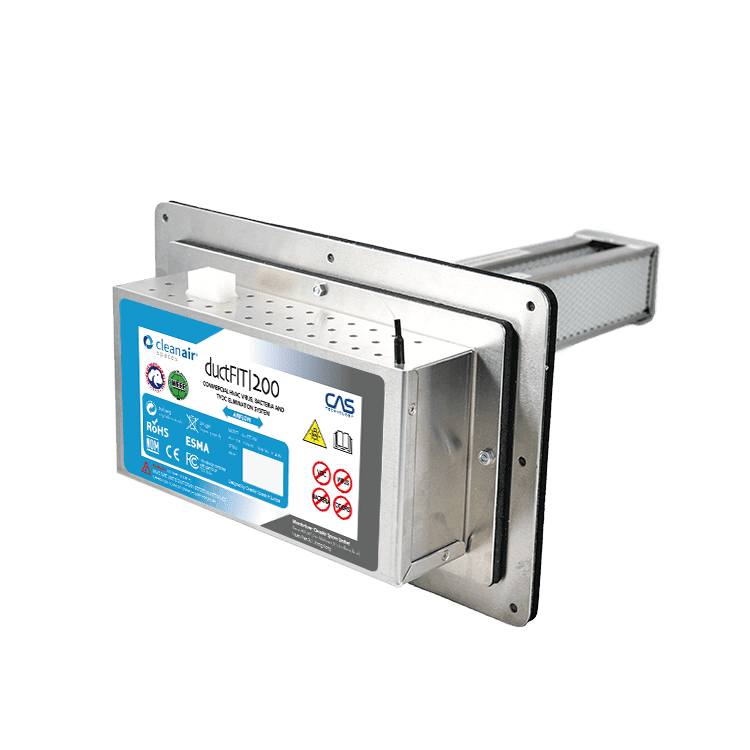
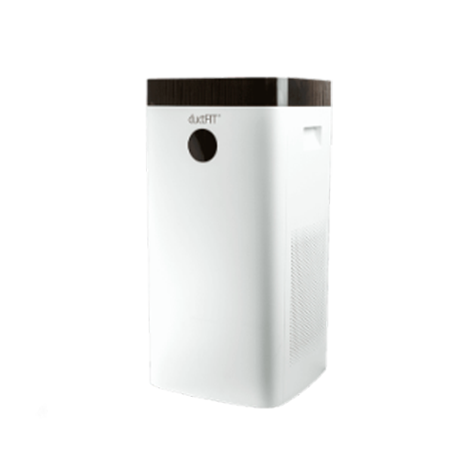
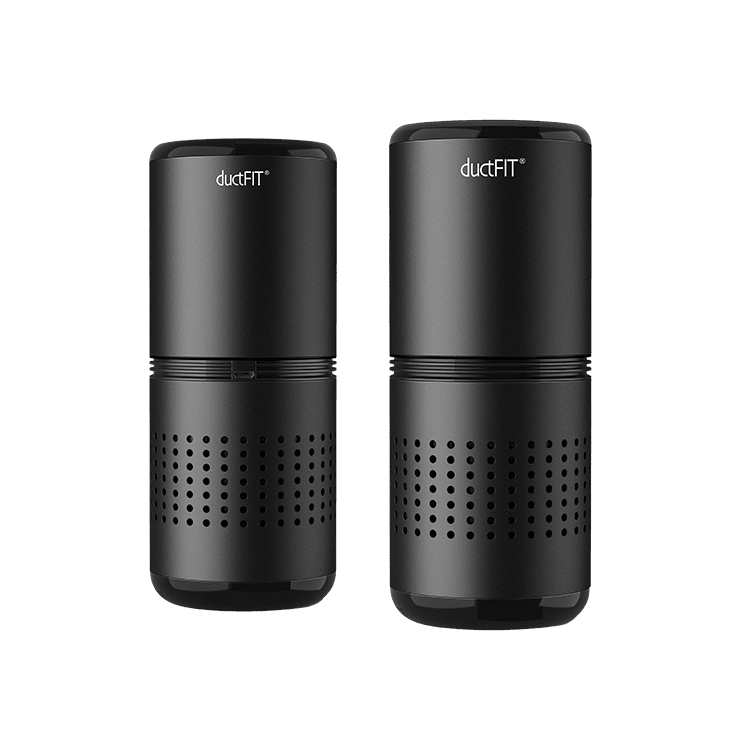
Our vehicle air purification system goes beyond traditional methods. It not only filters particles but actively eliminates toxic chemicals, viruses, and bacteria that accumulate in the cabin. We proudly feature the innovative ductFIT® S-CAR model, which is compatible with all types of vehicles and ensures a clean, healthy, and safe environment while you drive.
Thanks to the active purification technology of ductFIT® S-CAR, you can breathe easily, knowing that the air in your vehicle is completely free of pollutants, even when driving on the busiest roads or stuck in a heavy traffic jam.
Frequently Asked Questions (FAQ)
Can I install the ductFIT® S-CAR in any vehicle?
Yes, our purification system is designed to be highly versatile and compatible with all types of vehicles, from compact cars to large SUVs and commercial vans.
Does it help with allergies and asthma?
Absolutely. By actively neutralizing VOCs, dust, exhaust fumes, and other allergens, the system drastically improves in-cabin air quality, providing relief for people with respiratory conditions.
Does it remove bad odors from the car?
Yes. Unlike air fresheners that just mask smells, the ductFIT active purification technology destroys the molecules causing bad odors at their source.
Find quality information about the industry and our products. Don’t miss the latest news and events from our writers: CleanAir’s professional and technical team.